 Dali Marketers
The quick answer
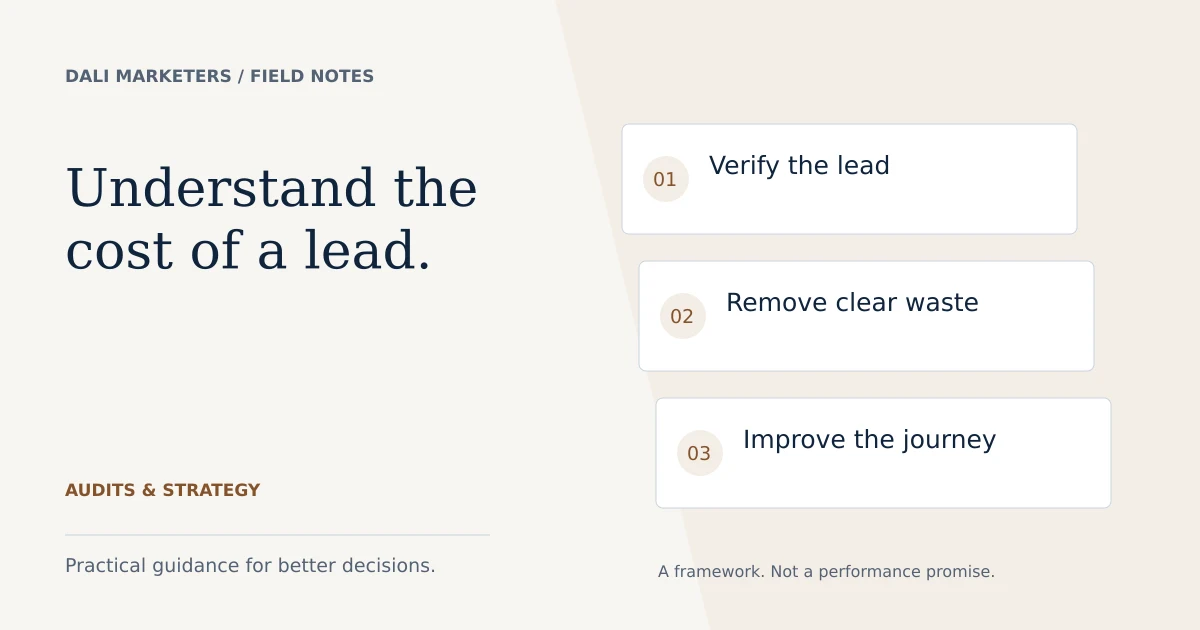
Define a qualified lead with your sales team, then trace poor-fit enquiries back to their likely cause. A lower raw cost per lead can hide worse commercial results.
Define what a good lead looks like
Before trying to improve Google Ads lead quality, agree on what counts as a suitable enquiry. A genuine person is not automatically a suitable customer. They may need a service you do not offer, live outside your service area or have a budget that cannot support the work.
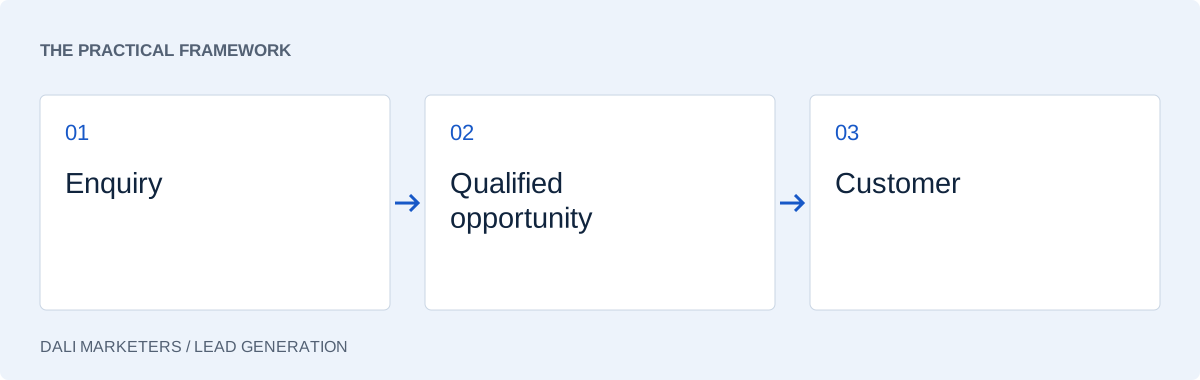
Write three or four practical qualification criteria: service fit, location, realistic requirements and readiness for the next step. Avoid definitions that only become clear after someone has purchased. You need a useful category between “contact received” and “sale”.
Use the same definition across the people answering calls, reading forms and managing campaigns. Inconsistent qualification makes campaign comparisons unreliable.
Build a short feedback loop
Create an enquiry log with date, service requested, source if known, status and a reason for poor fit. A spreadsheet can be enough at a small scale. Review patterns instead of making targeting changes because of one frustrating conversation.
Useful reasons include wrong service, wrong location, duplicate, spam, unreachable and unsuitable requirements. “Bad lead” is too vague to diagnose. A slow response is also different from a person who never intended to buy.
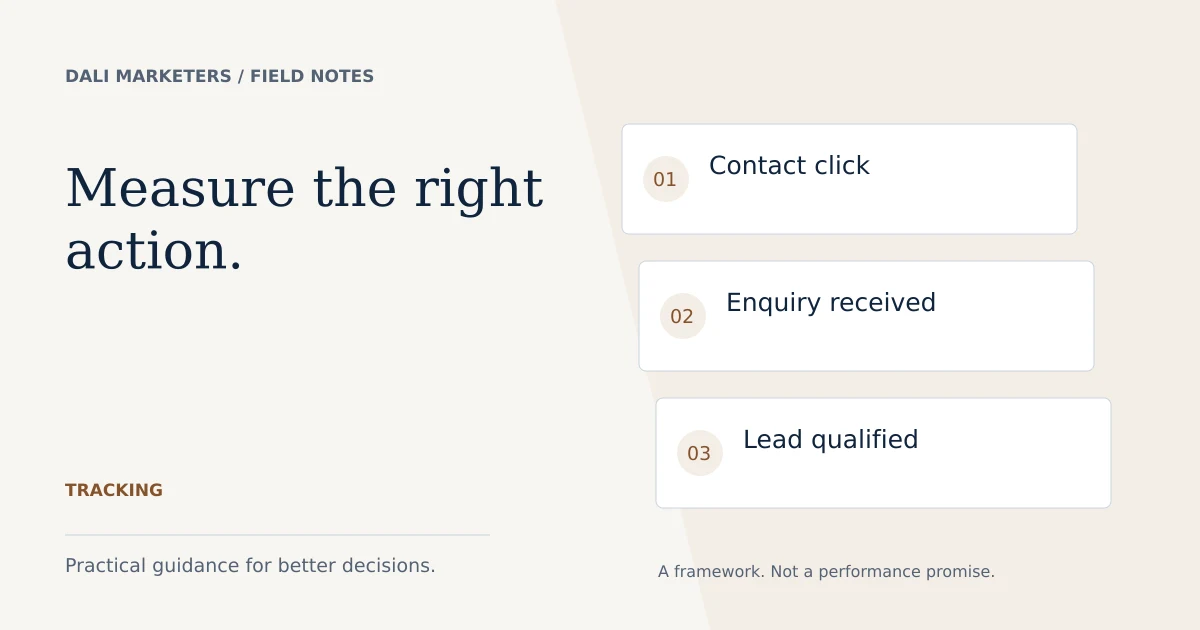
Where appropriate, a properly configured offline measurement process can connect qualified or converted leads to advertising. Agree data handling and technical requirements before implementing it.
Look for mismatches in searches and ads
Review available search terms for intent. A business offering installation may attract people who want a repair guide, a spare part or a job. Use negative keywords when the mismatch is clear, and check their scope so they do not remove useful demand.
Ad copy should prequalify honestly. Say which service you provide and where. If there is a genuine minimum order or a particular client type, make that visible when relevant. More precise copy might reduce clicks while improving fit; evaluate the qualified outcomes.
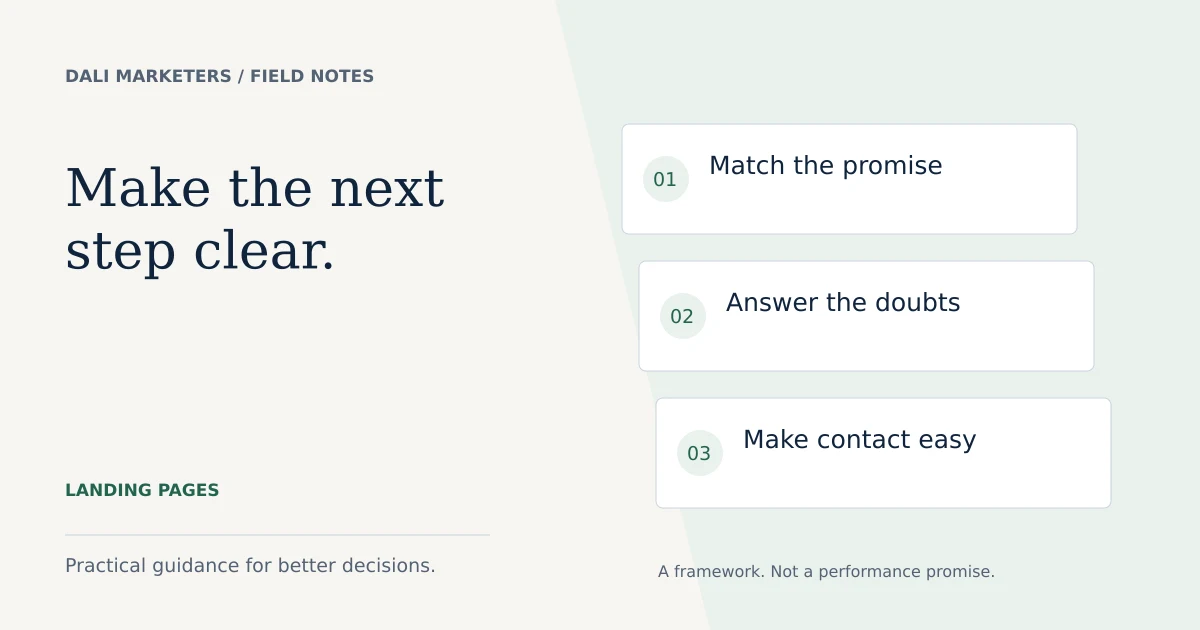
Use the page to answer buying questions
Explain what is included, who the service suits, what happens next and how pricing works. Vague promises invite conversations that would not happen if the offer were clear.
For a Google Ads audit, a useful page distinguishes a free consultation from the paid account review. It also explains whether fixes are included. For a contractor, useful details might be the jobs accepted and areas served.
A short qualification question can help route enquiries. Keep questions proportionate: asking for every project detail before the first conversation may deter suitable buyers. Test the effect on both completed enquiries and quality.
Measure cost per qualified lead
Consider this illustrative example, not a client result. Campaign A spends $600 and generates 30 enquiries, of which 6 qualify. Campaign B spends $600 and generates 15 enquiries, of which 10 qualify.
| Metric | Campaign A | Campaign B |
|---|---|---|
| Cost per enquiry | $20 | $40 |
| Qualified enquiries | 6 | 10 |
| Cost per qualified lead | $100 | $60 |
Campaign A looks cheaper in a raw lead report. Campaign B produces more suitable opportunities for the same spend. Neither example tells you profit without sales and margin information, but the second metric is closer to the commercial question.
Fix the follow-up process alongside the campaigns
Check who responds, whether notifications arrive and how missed calls are handled. Record a reasonable follow-up process for your business and use it consistently. A relevant enquiry that never receives a response cannot tell you much about the campaign’s ability to generate customers.
Make sure the person responding knows the offer in the ad. If the advertisement promises an audit consultation, the conversation should help the prospect understand that service rather than introduce an unrelated package.
Do not confuse slow purchasing decisions with poor quality. Some services need multiple conversations and a longer assessment window.
Use the evidence to choose the next change
If wrong-location enquiries dominate, inspect targeting and page clarity. If price mismatch dominates, clarify the offer or minimum scope. If qualified leads do not become customers, inspect the sales conversation, proposal and competitiveness of the service.
Our Google Ads lead generation service brings targeting, landing pages and enquiry measurement together. For existing accounts that mainly need ongoing analysis, see Google Ads management. In either case, agree what success means before deciding how much traffic to buy.
Sources & further reading
Platform details checked against these Google resources on 23 September 2026. Examples and diagnostic frameworks are explanatory; account results will vary.